TCEQ-Certified Septic Services in Brownwood & Central Texas
Three active TCEQ licenses. Installation, maintenance, and repair — no subcontracting.
Serving 12 counties across Central Texas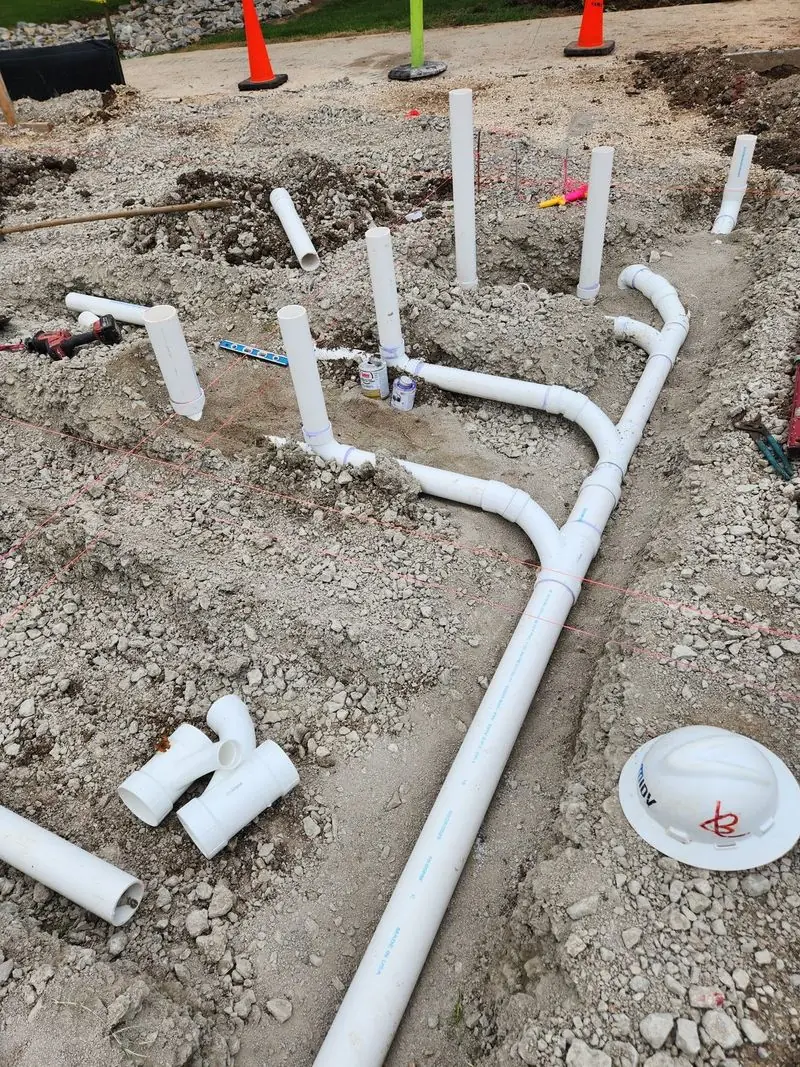
Heart of Texas Mechanical Contracting is fully certified by the Texas Commission on Environmental Quality (TCEQ) for all aspects of on-site sewage facility (OSSF) work. From new system design and installation to routine maintenance and emergency repairs, we handle septic work across Central Texas, serving Brownwood, Comanche, Coleman, Stephenville, and beyond.
Call 325-646-1655Services We Provide
System Installation
Complete new septic system design and installation for residential and commercial properties
System Repair
Diagnosis and repair of failing or malfunctioning septic systems
Routine Maintenance
Scheduled inspections and maintenance to prevent costly failures
Site Evaluation
Soil testing and site assessment for new construction or system replacement
System Design
Engineered septic system design for your specific property and soil conditions
Trenching & Excavation
Backhoe and dump truck services for all earthwork needs
TCEQ Certified — 3 Active Licenses
We design and install to TCEQ requirements. A well-maintained conventional septic system typically lasts 20–30 years — neglected systems fail prematurely and cost thousands to replace.
Signs You Need Service
Frequently Asked Questions
How often should a septic tank be pumped?
For a conventional system, every 3–5 years is the standard recommendation. It depends on tank size, household size, and water usage — a family of four on a 1,000-gallon tank will need pumping closer to every 3 years. Aerobic systems have different requirements since the maintenance contract covers sludge monitoring at each visit. We do not pump septic tanks ourselves, but we work with a trusted local pumping service and can coordinate that for you. Give us a call and we'll point you in the right direction.
What's the difference between a conventional and an aerobic septic system?
A conventional system uses a septic tank and a drain field — gravity and soil do the treatment work, and there are no mechanical parts. An aerobic system adds an air pump that oxygenates the wastewater, producing cleaner effluent, which is why TCEQ allows it on smaller lots or tighter soils where a conventional drain field won't work. The trade-off is cost and maintenance: aerobic systems cost significantly more to install than conventional systems, and Texas requires a two-year service policy on new aerobic systems, with a licensed provider inspecting at least every four months. After that, you can renew the contract or, in many counties, maintain it yourself. We install and maintain both types.
How long does a septic system last?
A well-maintained conventional system typically lasts 20–30 years, and the drain field is usually the limiting factor. Aerobic systems have a similar overall lifespan, but the mechanical components (blower, pump, chlorinator) need periodic replacement. The single biggest factor in longevity is consistent maintenance. A system that gets pumped on schedule and isn't overloaded will far outlast one that gets ignored.
What's involved in a site evaluation?
A TCEQ-licensed site evaluator surveys your property and digs test holes in the proposed disposal area to analyze soil type, drainage rate, and depth to rock or water table. The results determine what type of system your lot can support and how large the drain field needs to be. We hold a TCEQ Site Evaluator license (OS0011528), so we handle the evaluation, the report, and the system design in-house — you're not coordinating between multiple contractors.
Do I need a permit to install or repair a septic system?
In most cases, yes. In Texas, new septic systems, repairs, and alterations need an OSSF permit from your county's authorized agent, or from TCEQ where the county isn't one. Timing varies by county, and we'll give you an estimate once we've seen your site. A single home on 10 or more acres, with every part of the system at least 100 feet from the property line, may not need a permit. The system still has to meet state design standards, and anyone installing it for pay must be TCEQ-licensed. Local rules vary, so we'll check with your county.
What are the signs my septic system is failing?
The most common warning signs are slow drains throughout the house, sewage odors near the tank or drain field, standing water or unusually green grass over the drain field, gurgling sounds in the plumbing, and sewage backing up into the house. If you notice any of these — especially standing water or odor — don't wait. A failing system can contaminate groundwater and lead to a full replacement instead of a targeted repair. Call us and we'll diagnose the problem before it gets worse.
Where We Work
From our shop in Brownwood to homes and businesses across 12 Central Texas counties.